
A pinched nerve in the neck isn’t just annoying; it can significantly impact your quality of life. Rather than waiting for the pain to subside, consult an expert at Pain Management NYC. While cervical radiculopathy may be straightforward to treat, professional evaluation is essential, as similar symptoms can indicate more serious underlying conditions. Don’t take a chance with your health or mobility. Call today to schedule an appointment with a specialist.
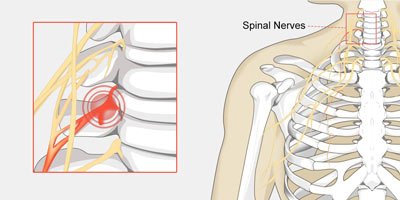
Whenever cartilage, bones, muscles or tendons shift slightly out of their normal positions, you run the risk of pressure occurring on a nearby nerve. A nerve isn’t designed to endure continuous pressure and its function can be inhibited, resulting in tingling, numbness, weakness or pain.
The best overall treatment for nerve impingement in the neck is to determine the reasons for the discomfort and try to realign the tissue or bone that’s causing the pressure. Our doctors have the latest research, tools and techniques to correct the displaced tissue and relieve the pressure on your pinched neck nerve.
Causes of Pinched Neck Nerves
Compression of a nerve by surrounding tissue can occur in a number of ways. In some cases, multiple types of tissue are involved, making the diagnosis and treatment a bit harder to assess and control. Some conditions that may lead to nerve impingement in the neck include:
- Stress from repetitive actions, such as working a job that requires lifting above your head or unnatural positions for your arms or shoulders
- An injury to your neck, shoulders or upper back that may cause inflammation
- Rheumatoid arthritis that can cause widespread inflammation throughout your body
- Extra weight that puts additional stress and pressure on structural tissues
- A sport or hobby — such as tennis, swimming or gardening — that involves repetitive motions, especially of your arms, shoulders or neck
Certain individuals run a greater risk of developing pinched nerve in the neck. Those with rheumatoid arthritis, thyroid conditions, bone spurs or diabetes seem more inclined to pinched nerve conditions. Women, especially pregnant women, are more likely to find tissue moving into places that cause compression and discomfort. Anyone who overuses or underuses certain muscles, as in the case of prolonged bed rest, is more likely to develop nerve impingement in the neck.
Symptoms Requiring Treatment for a Cervical Radiculopathy
A pinched nerve cannot function properly, leading to noticeable discomfort and disrupted signaling. Because these sensations often mimic other cervical conditions, it is essential to consult a specialist for an accurate diagnosis and appropriate treatment.
Common symptoms that require pinched nerve treatment in the neck include:
- Muscle weakness, especially in your arms, causing difficulty holding or lifting items
- Numbness or less sensitivity in the areas the nerve normally affects
- A tingling or pins-and-needles sensation that isn’t easily relieved
- A feeling of your arms or hands falling asleep
- A burning, aching or sharp pain in the area of the nerve or in nearby limbs
Many individuals report more troublesome symptoms at night when they‘re lying down, so nerve impingement can affect sleep and recovery. It’s time to visit your Brooklyn pain management clinic if these symptoms haven’t responded to rest or home treatments and are significantly affecting your day-to-day activities.
Diagnosing a Pinched Nerve in the Neck
Just as he does for all pain conditions, your doctor first conducts a thorough physical exam to determine the severity of your symptoms and their effect on your life. He may discuss your sleep habits, diet and exercise routine, as well as any previous surgeries or health complications. To accurately diagnose a pinched nerve, your doctor may order:
- An electromyography, which sends small amounts of electricity to specific muscles through a tiny needle to determine nerve and tissue damage
- A high-resolution ultrasound to provide accurate images of the structures that may be affected by a pinched nerve
- An MRI that uses magnetic and radio waves to provide an image of your tissue, which your doctor may request if he suspects compression at the nerve root
- Nerve conduction studies that test the nerve’s ability to process electrical stimulation
The goal of diagnosis is to determine exactly where the compression is occurring. From there, your pain doctor can determine the best treatment to relieve pressure on the affected nerve or nerves.
Treatment for a Pinched Nerve in the Neck
Resting the injured nerve by ceasing any aggravating movements is the most common first step of pinched nerve treatment for the neck. Sometimes, your doctor may suggest wearing a brace to provide support, especially as you sleep. Other treatments available include:
- Medications, such as anti-inflammatory drugs
- Oral or injected steroids
- Physical therapy that targets the affected area to carefully stretch cramped or tight muscles and ligaments, as well as increase flexibility and strengthen weakened muscles
- Minimally invasive surgery may be required as a last resort if the compression is due to bone spurs or a herniated disc, to remove the damaged tissue and possibly replace the disc material
Long-term recovery benefits from some simple at-home strategies. Developing a good exercise routine that incorporates flexibility and strength, maintaining a healthy weight, keeping good posture and limiting repetitive motions help to relieve pressure quicker and keep it from returning. When you’re ready to deal with your neck pain, contact Pain Management NYC to find out if you have a pinched nerve in your neck.
 Written by Dr. Boleslav Kosharskyy, MD
(Pain Management Doctor)
Written by Dr. Boleslav Kosharskyy, MD
(Pain Management Doctor)