
Recupérese del dolor del nervio ciático con tratamientos no quirúrgicos avanzados como inyecciones epidurales de esteroides, bloqueos nerviosos, fisioterapia y rehabilitación física. Como expertos en el tratamiento de la ciática, nuestros doctores ofrecen planes de tratamiento integrales y personalizados adaptados a su nivel de dolor específico. Contacte a Pain Management NYC ahora para obtener un tratamiento oportuno y abordar la causa raíz de su ciática.
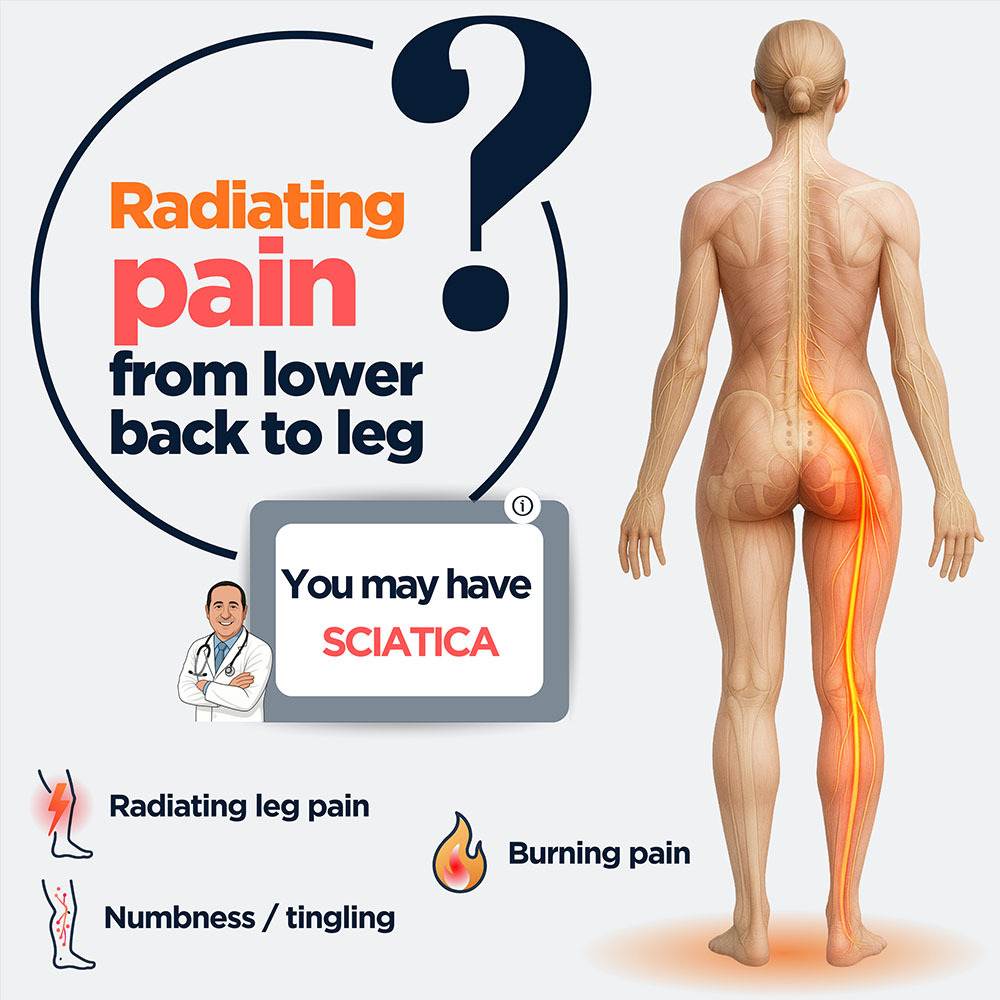
¿Qué es la ciática?
La ciática (también conocida como radiculopatía lumbar) es una afección médica que afecta su nervio ciático. Este nervio grande se extiende desde la parte inferior de la espalda hasta las caderas, los glúteos y ambos lados de las piernas, llegando hasta las plantas de los pies. Cuando el nervio está dañado o comprimido, usted siente un dolor punzante, agudo o quemante, así como hormigueo, entumecimiento y debilidad, en cualquier lugar desde la parte inferior de la espalda y la región de la cadera hasta los pies y los dedos.
La ciática es más común en personas entre los 20 y 60 años. Un estilo de vida sedentario, la obesidad y la diabetes también pueden aumentar el riesgo de desarrollar esta condición crónica. Para proporcionarle un alivio duradero, nuestros especialistas realizan un examen médico exhaustivo antes de recomendar un plan de tratamiento personalizado. Contacte a Pain Management NYC hoy mismo para retomar su estilo de vida activo sin dolor.
Conozca a nuestros especialistas en ciática de NYC
Nuestros médicos de NYC especialistas en ciática, certificados por el consejo médico, son expertos reconocidos a nivel nacional en el tratamiento de la ciática (radiculopatía lumbar). Ofrecemos un espectro completo de tratamientos diseñados para aliviar el dolor, comenzando con opciones no quirúrgicas avanzadas como inyecciones epidurales de esteroides, bloqueos nerviosos y rehabilitación física dirigida. Para los pacientes que necesitan atención adicional, también ofrecemos procedimientos mínimamente invasivos como la discectomía, el procedimiento MILD y las últimas terapias innovadoras, incluyendo la estimulación magnética del nervio periférico (mPNS) y la terapia Scrambler.



¿Qué causa la ciática?
La ciática es causada típicamente por la irritación de la raíz de la columna lumbar inferior y lumbosacra.
Otras causas de ciática incluyen:
- Estenosis espinal lumbar
- Espondilolistesis
- Enfermedad degenerativa del disco
- Espasmo muscular
- Embarazo
Los problemas de ciática pueden ser desencadenados por varios problemas que involucran su columna vertebral. Podría afectar los nervios que recorren su espalda.
¿Cuáles son los factores de riesgo de la ciática?
Aproximadamente el 40 por ciento de los estadounidenses experimentan ciática en su vida. La edad es un factor de riesgo importante. A medida que envejece, su cuerpo, especialmente su columna vertebral, cambia, y puede pinzar el nervio.
Otros factores de riesgo incluyen:
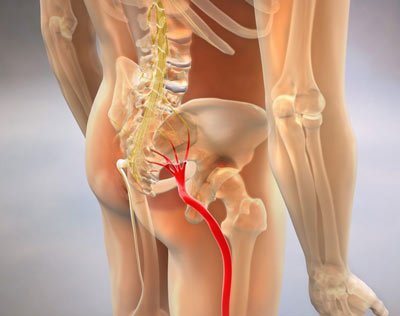
- La enfermedad degenerativa del disco es un trastorno médico causado por el desgaste de su columna vertebral a lo largo de los años. Este desgaste puede resultar en la lesión o el pinzamiento de su nervio ciático.
- La obesidad, junto con un estilo de vida sedentario, contribuye a que los huesos de su espalda pierdan flexibilidad y se vuelvan rígidos. El peso extra puede causar presión en su nervio ciático.
- La diabetes no tratada, resultado de la obesidad, causa una afección llamada neuropatía diabética. El alto nivel de azúcar en la sangre daña los nervios de sus extremidades, especialmente sus pies y dedos.
- Los trabajos de oficina y la conducción de camiones pueden dañar adversamente su columna vertebral debido a las largas horas de estar sentado en un solo lugar.
- Los trabajos que requieren levantar objetos pesados o torcer la columna vertebral también pueden crear problemas que conducen a la ciática. Las personas que se quejan de dolor lumbar agudo o crónico o dolor de cadera tienen una alta probabilidad de padecer ciática.
Lo que dicen nuestros pacientes
Pain Management NYC ofrece atención experta y tratamientos modernos para la ciática. Lea las reseñas de nuestros pacientes para conocer sus historias de recuperación:


Llevo más de 30 años padeciendo un dolor crónico de ciática que nunca se ha diagnosticado correctamente, y mucho menos tratado, a pesar de haber acudido a numerosos neurocirujanos, fisioterapeutas, osteópatas y médicos de cabecera. Como mi dolor había empeorado y se había extendido a nuevas zonas, mi médico de cabecera me derivó aquí. Tras el diagnóstico correcto en mi primera consulta, la medicación y dos inyecciones, ahora estoy casi totalmente libre de dolor, y se espera una mejora adicional a medida que los tratamientos surtan pleno efecto. Estoy muy agradecido de ser paciente del Dr. Koutsospyros; es el mejor especialista en tratamiento del dolor que he conocido en estos 30 años.

El Dr. Kosharskyy es innovador y propone soluciones interesantes. Le confío el tratamiento de mi ciática y estoy contenta con los progresos. Sabe perfectamente qué hay que hacer y siempre responde a mis preguntas y dudas. Gracias.

Tengo ciática. El tratamiento del dolor me ha ayudado a controlar mis molestias.

Sufría de dolor de ciática y nada funcionaba realmente hasta que conocí al Dr. Koutsospyros y a su equipo. Él realmente hizo lo imposible y ahora he vuelto a llevar mi vida normal como antes. La inyección que me aplicó fue muy efectiva. ¡Siempre estaré agradecido por sus esfuerzos y su trabajo eficiente!

Si estás buscando un médico especializado en el tratamiento de la ciática, te recomiendo que te pongas en contacto con esta consulta cuanto antes. Me pusieron la inyección y funcionó de maravilla. ¡Es el mejor!

Llevo acudiendo al Dr. Elbaz desde 2010, primero en su consulta del Hospital Roosevelt y después en sus otras consultas.
Es un hombre y un médico genuinamente bueno. Todo el equipo de la consulta es muy profesional, sin dejar de lado el trato humano y cercano.
La ciática y el dolor de espalda crónico, entre otros, merman la calidad de vida, por lo que es una bendición contar con un lugar estupendo al que acudir para recibir tratamiento.
Actualización del 28 de enero de 2026: sigo acudiendo al tratamiento y sigo estando satisfecho con el servicio y la atención que me brinda todo el personal.
El éxito del tratamiento de la ciática depende de la identificación de la causa raíz. Aunque los tiempos de recuperación varían de persona a persona, muchos de nuestros pacientes informan una reducción notable del dolor del nervio ciático poco después de comenzar el tratamiento.
¿Cuáles son los síntomas de la ciática?
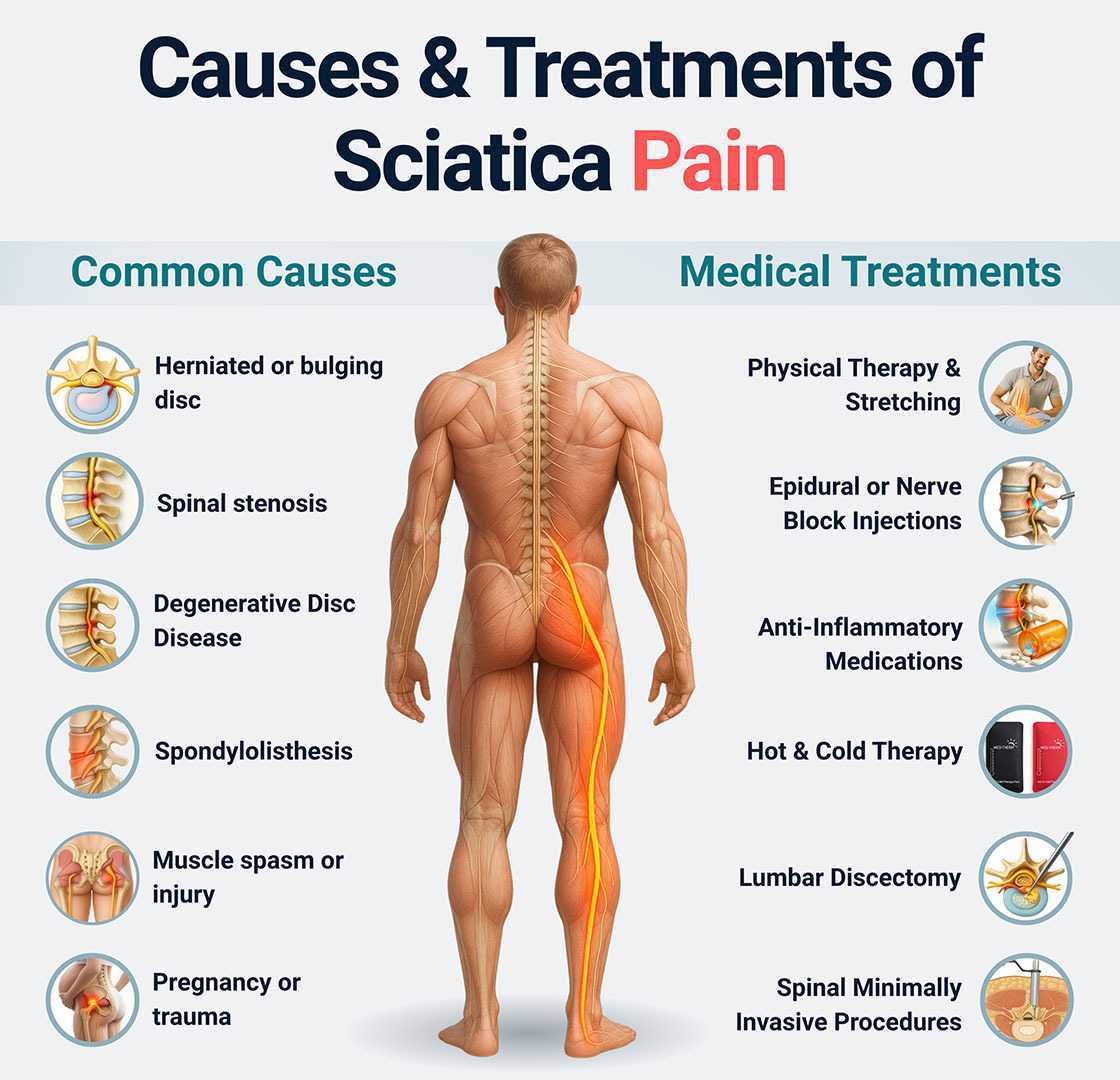
El tratamiento del dolor de ciática depende de la causa raíz del daño del nervio ciático. Todas estas afecciones médicas pueden causar una presión indebida en su nervio ciático. La presión conduce a los dolorosos síntomas de ciática que usted experimenta, tales como:
- Una hernia de disco en su columna vertebral. Los discos tienen un interior gelatinoso con una cubierta más dura que se debilita con el tiempo. Si la cubierta se agrieta o se rompe, el contenido se derrama y presiona su nervio ciático.
- Estenosis espinal. Este es un trastorno que estrecha el canal espinal, comprimiendo las raíces nerviosas y la médula espinal. El desgaste de su columna vertebral suele estar asociado con la osteoartritis.
- Espondilolistesis. Este trastorno médico afecta su espalda baja cuando una vértebra se desliza y se desalinea con su columna vertebral. Termina estrechando la salida del nervio ciático, irritándolo en el proceso.
- Síndrome piriforme. El músculo piriforme se encuentra en la parte inferior de su columna vertebral, caderas y glúteos. Cuando el músculo desarrolla espasmos, puede comprimir el nervio ciático.
Otras razones médicas relacionadas con la radiculopatía lumbar pueden incluir una fuerza de impacto directo por un accidente automovilístico, una lesión deportiva o una caída por las escaleras. La osteoporosis, un debilitamiento de sus huesos, puede crear fracturas por compresión en su columna vertebral.
¿Cómo se diagnostica la ciática?
La ciática se diagnostica basándose en una revisión de su historial médico, un examen físico y los resultados de imágenes. Durante el examen, nuestros especialistas evalúan la fuerza muscular, los reflejos y su capacidad para realizar movimientos específicos para identificar la fuente del dolor.
También utilizamos técnicas modernas de imagen como radiografías, resonancias magnéticas o tomografías computarizadas para obtener imágenes detalladas de la columna vertebral e identificar hernias discales, espolones óseos u otras afecciones que causan la compresión del nervio ciático. Además, su médico puede solicitar una electromiografía (EMG) para evaluar la conducción nerviosa e identificar con precisión los nervios afectados.
El Dr. Leon Reyfman, MD, sigue un enfoque basado en la evidencia para diagnosticar la ciática, utilizando la evaluación clínica y las imágenes para identificar la raíz nerviosa afectada. En casos complejos, se pueden utilizar bloqueos selectivos de la raíz nerviosa diagnósticos para confirmar la fuente del dolor.
¿Existen tratamientos no invasivos para la ciática?
El tratamiento para la ciática generalmente comienza con atención conservadora, incluyendo la modificación de la actividad y la fisioterapia, después de una evaluación exhaustiva realizada por médicos especialistas en dolor de primer nivel en Nueva York. Cuando sea apropiado, se puede recomendar el uso limitado a corto plazo de AINE como parte de un plan de tratamiento individualizado.
Para pacientes con síntomas persistentes o más graves, se pueden considerar tratamientos intervencionistas dirigidos para reducir la inflamación, aliviar la compresión nerviosa y mejorar la función. Estos procedimientos mínimamente invasivos se seleccionan según los hallazgos de las imágenes y la presentación clínica y pueden incluir:
En los casos en que los tratamientos conservadores e intervencionistas no logran proporcionar un alivio adecuado, se puede considerar la derivación quirúrgica o terapias avanzadas cuando los hallazgos de las imágenes se correlacionan con los síntomas persistentes.
¿Cuáles son las opciones de tratamiento mínimamente invasivo para la ciática?
Para el dolor intenso que no responde a los tratamientos no invasivos, su médico especialista en el tratamiento de la ciática en Manhattan puede sugerir la cirugía mínimamente invasiva como la mejor opción. Estos procedimientos son seguros y rápidos, con resultados consistentes y probados. Pain Management ofrece un estándar de atención que se encuentra entre los mejores del mundo. Estos procedimientos mínimamente invasivos incluyen:
¿Se puede tratar la ciática en casa?
La ciática suele resolverse por sí sola en unas pocas semanas. Se recomienda evitar el reposo prolongado en cama, ya que puede exacerbar el dolor de su nervio ciático. Los casos leves de ciática pueden tratarse con autocuidado y remedios caseros.
Realizar ejercicios de estiramiento y fortalecimiento puede ayudar a apoyar la columna lumbar, mejorar el rango de movimiento y la flexibilidad, y disminuir la presión sobre el nervio ciático. Aplicar compresas frías y calientes en la zona afectada puede ayudar a reducir los espasmos musculares, aumentar el flujo sanguíneo y acelerar la curación. La posición correcta al sentarse también es un aspecto importante para el alivio del dolor de ciática.
Para los síntomas crónicos de ciática, se pueden utilizar medicamentos antiinflamatorios no esteroideos. Usted puede visitar nuestro centro médico para recibir asesoramiento médico meticulosamente elaborado sobre qué remedios caseros usar para reducir sus síntomas específicos. Nuestro especialista en ciática de primera categoría también puede recetar productos clínicos especiales para aliviar su dolor crónico.
¿Cómo se puede prevenir el dolor de ciática?
Dado que la ciática puede tener varias causas, puede ser bastante difícil de prevenir. Controlar el peso, mantener un tono muscular adecuado en la espalda y abstenerse de fumar y de períodos prolongados de estar sentado son recomendaciones comunes para la prevención del dolor ciático.
La atención quiropráctica y la fisioterapia también son esenciales para evitar episodios recurrentes de ciática. Su fisioterapeuta puede ofrecerle un plan de tratamiento destinado a mejorar su postura y rango de movimiento, reduciendo así aún más los síntomas de la ciática y ayudándole a evitar cualquier recurrencia en el futuro.
Si usted está lidiando con ciática, contacte a Pain Management NYC hoy mismo o visite nuestras oficinas en Midtown Manhattan, el Bronx o Astoria para una consulta gratuita. Nuestros médicos certificados por el consejo médico combinan una amplia experiencia clínica con una participación activa en investigaciones de vanguardia para proporcionar a nuestros pacientes los tratamientos más avanzados y efectivos para la radiculopatía lumbar.
 Escrito por Dr. Leon Reyfman, MD, FIPP, RPh
(Médico especialista en el manejo del dolor)
Escrito por Dr. Leon Reyfman, MD, FIPP, RPh
(Médico especialista en el manejo del dolor)
Un servicio estupendo y un personal fantástico; sin duda, el mejor sitio al que acudir para el tratamiento del dolor. Ya le he dicho a mi primo que pida cita para su ciática.