
Spinal stenosis is one of those conditions that can lead to serious consequences. Whether you have current pain or a family history of back pain, make an appointment at Pain Management New York City to keep back problems from slowing you down.
Spinal stenosis refers to the narrowing of the space within your spine, which puts pressure on the nerves. This narrowing typically occurs in three primary locations: inside the spinal column, along the canals where the nerves emerge, or in the spaces between the vertebrae. It is usually caused by age-related wear and tear or medical conditions such as osteoarthritis.
Interestingly, some individuals with lumbar spinal stenosis in the lower back or cervical spinal stenosis in the upper back don’t feel any other symptoms at all. The exact mechanics aren’t clearly understood, but research continues to find possible answers. Pain Management NYC maintains a high level of experience on staff and consistently delivers the latest proven technologies to treat your spinal stenosis symptoms.
Symptoms Requiring Spinal Stenosis Treatment
Where your spine narrowing occurs determines, for the most part, what kind of symptoms you experience.
But some of the more common symptoms include:
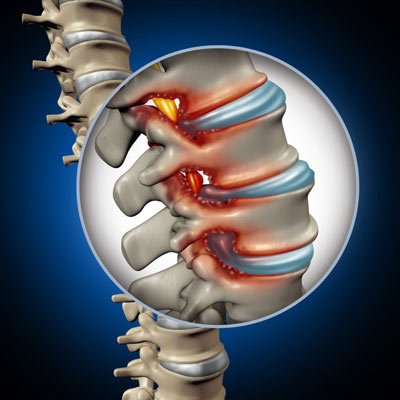
- Cervical spinal stenosis. This condition occurs in your neck. The narrowing causes numbness or weakness in your hands, arms or legs. You may have some upper back pain or neck pain, as well as issues with walking and balance. In severe cases, you have bladder or bowel dysfunction.
- Lumbar spinal stenosis. This condition presents itself in your low back. It leads to tingling, numbness or weakness in your lower back, legs and feet. Additionally, you may feel significant pain after walking or standing for long periods of time, develop foot problems, and experience pain during or after sex.
- Thoracic spinal stenosis. This rare condition affects your middle back. It can produce spasticity in your legs. It may also slow your lower-limb reflexes.
Causes of Spinal Stenosis
While many forms of spinal stenosis occur due to normal wear-and-tear that comes with aging, other causes exist, which is why it’s best to seek spinal stenosis pain relief from a top-rated pain management specialists in Midtown.
These other causes of spinal stenosis include:
- An overgrowth of bone called a bone spur that narrows the opening of your spine
- Genetic abnormalities
- Tumors
- Trauma or injury to your spine
- A herniated disc
- Thickened ligaments bulging into the spinal column
- Too much fluoride in your body
Spinal stenosis must be monitored even when it’s asymptomatic because it can progress.If it’s left untreated or it becomes severe, it may cause permanent weakness, numbness, balance problems, paralysis or incontinence. Nerve compression can cause the nerves to atrophy and die over time, so listen to the recommendations of your doctors.
Diagnosing and Treating Mild Spinal Stenosis
The best diagnosis and treatment start with a full medical history and physical exam. Your pain doctor assesses your flexibility and mobility. A thorough discussion of your pain symptoms and when they occur also helps your specialist formulate an effective spinal stenosis treatment plan. Your doctor may request imaging tests such as x-rays, CT scans, or MRI scans to pinpoint the exact location of the constriction and its effect on nearby nerves and other tissue. Treatment plans begin as conservatively as possible.
Your doctor may ask you to try at-home treatments, such as:
- Taking over-the-counter pain relievers
- Maintaining a healthy weight
- Alternating hot and cold packs at the site of the discomfort
- Doing light exercises like gentle stretching or yoga
- Walking with a cane or walker if needed
Patient Reviews
Treating Spinal Stenosis at the Top Pain Clinic in Manhattan
At-home remedies don’t always lead to sufficient pain relief.
If conservative treatments aren’t successful, your spine specialist may recommend:
- Other medications, including anti-seizure medicine, effective anti-depressants used for pain and in rare cases, opioids to manage severe discomfort
- Steroid injections to reduce inflammation
- Injections that block pain to allow your muscles and tissues time to heal
- Physical therapy designed specifically for your spine to strengthen, improve flexibility, build endurance and improve balance
If your pain doctor confirms that your condition is severe, spinal stenosis surgical intervention may be necessary.
A number of minimally invasive surgeries are available as well, including:
- Decompression procedures, to remove thickened portions of ligaments through tiny, needle-like instruments
- Laminotomy, during which your doctor creates a small hole in a specific spot of your spinal column to relieve the pressure
- Laminectomy, which involves removing part of the affected vertebra and then fusing several weakened vertebrae together
- Laminoplasty, designed to create an opening in the cervical spine for a hinge that builds in more space
- Vertiflex procedure, to introduce an implant to your spine that physically separates two vertebrae
Recovering from Spinal Stenosis Treatment
After your spinal stenosis treatment, remain in contact with your spine specialist. Effective treatment is available, but treating spinal stenosis is a process of finding the best fit for your condition and lifestyle. Care may be ongoing and require a multi-pronged approach.
If you are seeking relief from spinal stenosis, contact Pain Management NYC today to learn how our comprehensive approach to treating spinal stenosis in New York City can improve your life.
 Written by Dr. Boleslav Kosharskyy, MD
(Pain Management Doctor)
Written by Dr. Boleslav Kosharskyy, MD
(Pain Management Doctor)